
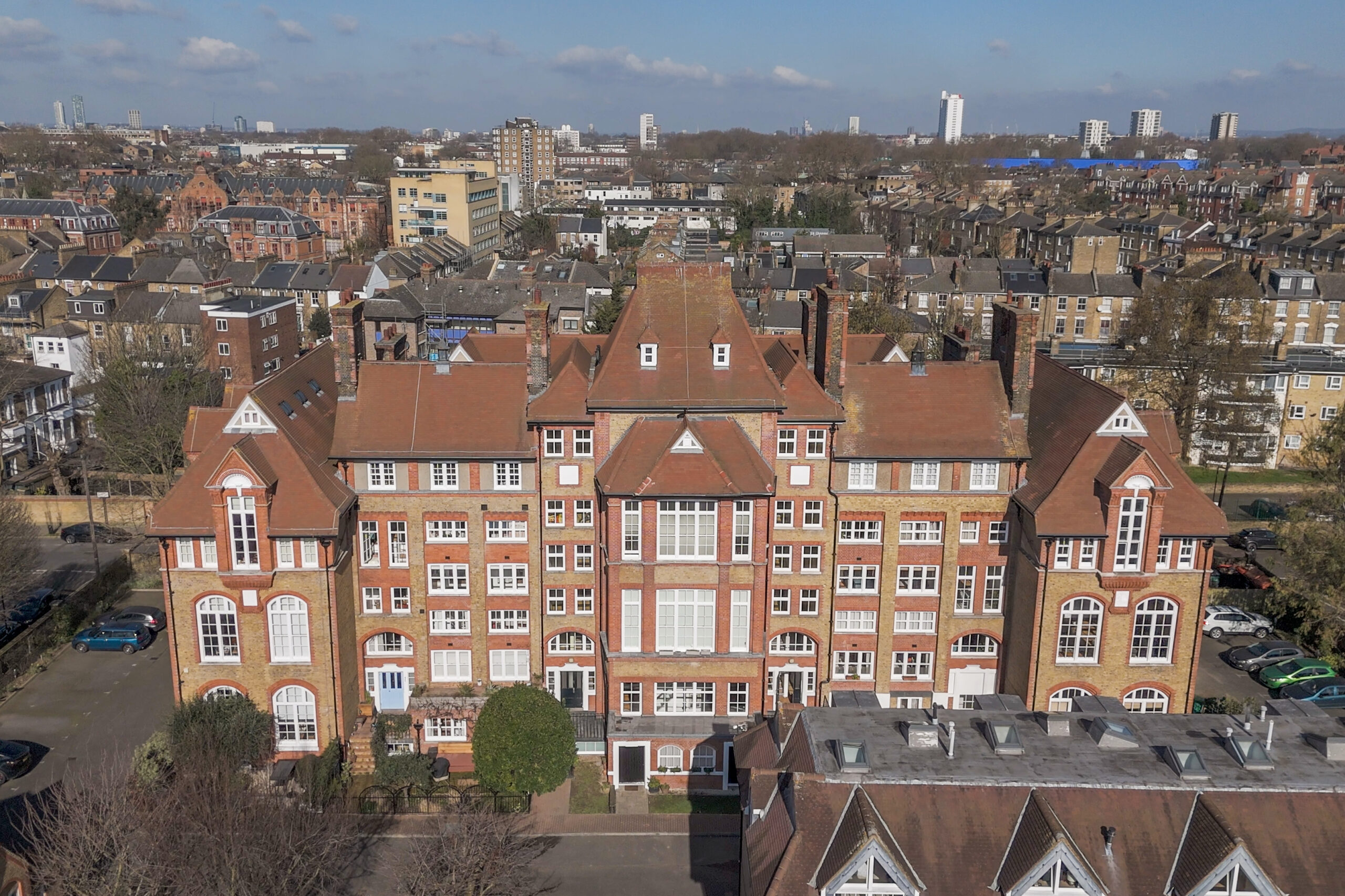
If you do not own the freehold of your building there are a couple of options available to take over
control of the building management.
These are:
- Exercising the Right to Manage
- Leasehold Enfranchisement; aka buying the freehold.
Both options have qualifying criteria and require commitment of the majority of the leaseholders to the process. Exercising RTM is very low cost and often the preferred route for leaseholders. Buying the freehold provides a higher degree of control over your environment but requires a significant financial commitment from participating leaseholders.
Before taking control we recommend you decide whether you wish to self manage or appoint a new managing agent for the day to day management.
If you are considering LPMS as your future managing agent we will introduce you to our existing clients and, if you choose us, we can take care of the RTM paper work process for you.
If you choose the enfranchisement route we recommend choosing a specialist from ALEP (Association of Leasehold Enfranchisement Practitioners). ALEP is a professional association that brings together solicitors, valuers, and other professionals who specialise in leasehold enfranchisement. We are happy to work alongside to ensure a smooth handover of the management.
Please note we seek clients within a four mile radius of our office because we visit our client sites on a very regular basis. If you are further afield we recommend choosing a managing agent in close
proximity to you before starting the process.
Right to Manage (RTM) Process Guide
Qualification Criteria
For leaseholders to exercise their Right to Manage, the building must meet certain criteria. The criteria are likely to change with new legislation passing through parliament. Please call us to discuss whether your building qualifies.
Step-by-Step RTM Process
Step 1: Establish an RTM Company
- Form a Right to Manage (RTM) company as required under the Commonhold and Leasehold Reform Act 2002.
- Ensure at least 50% of qualifying leaseholders are willing to join.
- Appoint at least one director.
- Register the company with Companies House.
Step 2: Invite Participation
- Issue a formal notice (Invitation to Participate) to all qualifying leaseholders.
- Provide at least 14 days for them to respond.
Step 3: Serve the Notice of Claim
- Serve a formal Notice of Claim to the landlord, detailing the RTM company’s intention to take over management.
- The landlord has 30 days to respond.
Step 4: Landlord’s Response
- The landlord may serve a Counter-Notice within 30 days if they intend to dispute the claim.
- If no Counter-Notice is received, the RTM company automatically gains the right to manage after three months from the date of the Notice of Claim.
- If disputed, the RTM company can apply to the First-tier Tribunal (Property Chamber) for a ruling.
Step 5: Handover of Management
- After the three-month period, the RTM company officially takes over management responsibilities.
- The landlord must cooperate and provide necessary management documents and information.
Leasehold Enfranchisement – Buying the Freehold
Qualification Criteria for Enfranchisement
Leaseholders may collectively purchase the freehold under the Leasehold Reform Housing and Urban Development Act 1993.
For leaseholders to exercise Enfranchisement the building must meet certain criteria. Please discuss with an ALEP practitioner whether your building qualifies.
Step-by-Step Enfranchisement Process
Step 1: Form a Collective Group
- Leaseholders must collectively agree to buy the freehold.
- Establish a formal agreement to define responsibilities and costs.
Step 2: Obtain a Valuation
- Engage a professional surveyor to determine the fair market value of the freehold.
Step 3: Serve Initial Notice
- Serve a Section 13 Notice to the freeholder, stating intent to purchase.
- The freeholder has two months to respond.
Step 4: Landlord’s Response
- The freeholder may accept or serve a Counter-Notice disputing eligibility or proposing a different price.
- If disputed, negotiations begin.
Step 5: Negotiation or Tribunal
- If an agreement is not reached, leaseholders can apply to the First-tier Tribunal to determine the price.
Step 6: Completion
- Once agreed, a formal contract is signed.
- Leaseholders pay the freeholder and complete the transfer.
Freeholder Obligation to Sell
A freeholder is legally obliged to sell the freehold if:
- Leaseholders meet all qualification criteria.
- A valid Section 13 Notice has been served.
- The statutory process has been followed correctly.
- The tribunal determines a fair price if there is a dispute.